

Introduction
Mobility is about far more than the wheelchair itself. For people who rely on mobility equipment across Canada, the ability to travel independently — to reach workplaces, medical appointments, social activities, and everyday destinations — is a fundamental part of life quality. Yet transportation continues to be one of the most significant practical challenges wheelchair users face.
Why Accessible Transportation Matters
Reliable, accessible transportation is more than a convenience — it is a prerequisite for community participation. Employment, healthcare access, education, and social connection all depend on the ability to move through one’s community with consistency and confidence. When transportation options are limited or unreliable, downstream effects include missed medical appointments, reduced employment opportunities, and social isolation.
Public Transit: A Growing but Uneven Option
Major Canadian cities have made substantial investments in accessible public transit. Common improvements include:
- Low-floor buses with boarding ramps that eliminate the need for stairs
- Priority seating areas designed to safely accommodate wheelchairs and mobility devices
- Elevators and accessible platforms in subway and commuter rail systems
Coverage remains uneven — older transit infrastructure may still lack reliable elevator access. Travelers should research specific routes in advance and build contingency options into plans.
Paratransit: Specialized Transportation for Greater Needs
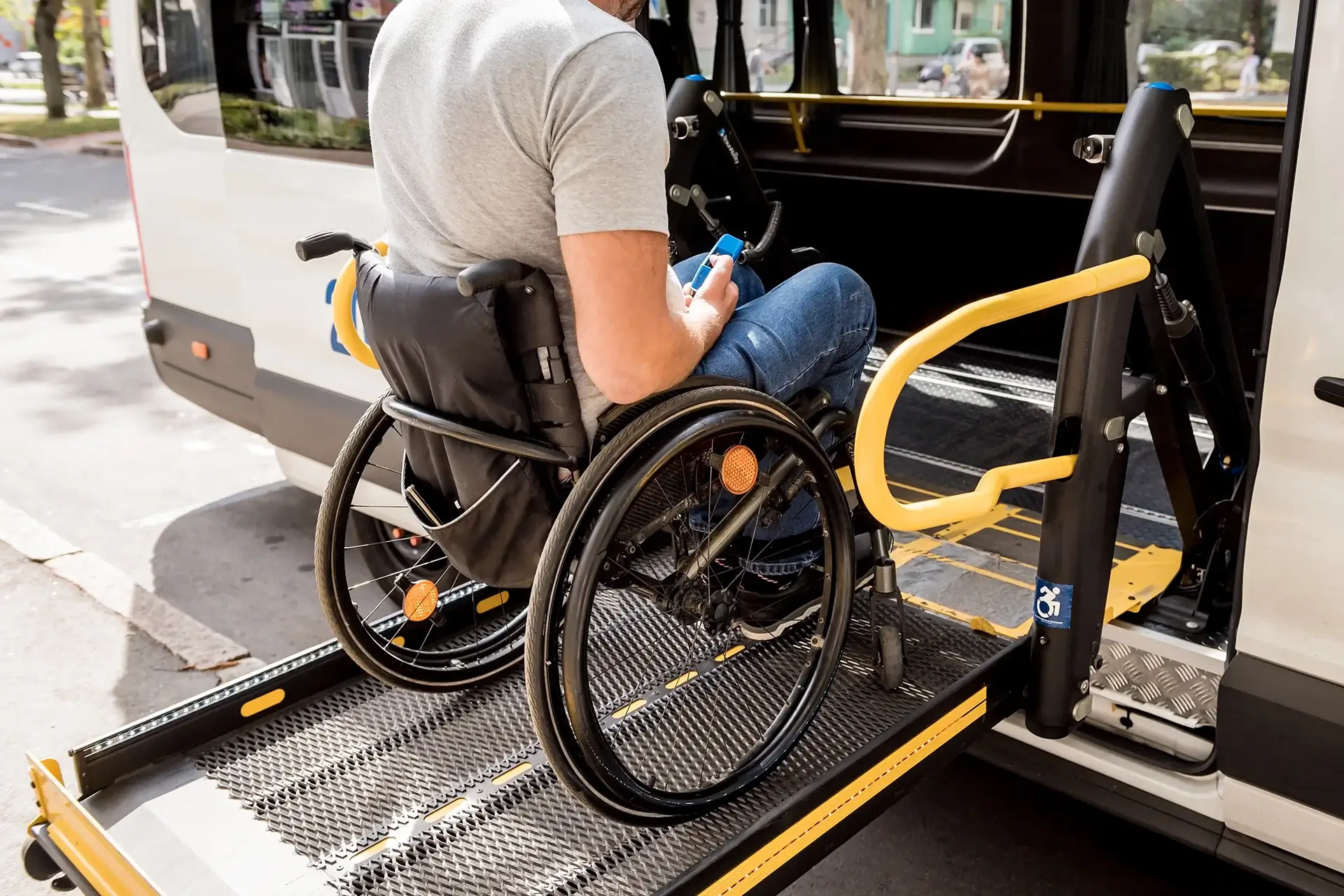
For wheelchair users who cannot readily use conventional public transit, paratransit services provide an essential alternative. Most major Canadian cities operate dedicated paratransit programs — accessible vans or vehicles equipped with ramps or lifts, driven by trained operators. Trips are usually reservation-based, requiring 24–48 hours advance booking. Eligibility criteria vary by municipality.
Accessible Ride Sharing: A Growing Addition
Ride sharing platforms have begun expanding accessible vehicle options in major Canadian urban centres — allowing on-demand booking through smartphone apps without advance scheduling. Availability varies significantly by city; in smaller cities and rural areas, options may be limited.
Preparing Your Wheelchair for Travel
Before any trip — particularly longer journeys or unfamiliar routes — conduct a basic equipment check:
- Tire pressure and condition
- Brake function and responsiveness
- Seating support and positioning (poor alignment causes fatigue during longer travel)
- Battery charge for power wheelchairs
Choosing Equipment That Supports Daily Travel
Lightweight manual wheelchairs are easier to transport in standard vehicles and on crowded transit. Power wheelchairs provide greater independence for longer distances. Wheelchair accessories — cushioning, back support, weather-protection items for Canada’s variable climate — directly affect travel comfort and endurance.
Practical Tips for Accessible Travel
- Research routes in advance — confirm accessibility of specific stations and entrances
- Allow extra time — accessible boarding and elevators add time to journeys
- Plan for weather — snow and ice affect outdoor maneuverability significantly in winter months
- Know your backup options — have paratransit or accessible ride share identified for uncertain routes
A Note from LJ Solutions
At LJ Solutions and MZ Vietnam, we manufacture many of the components — cushion covers, harnesses, backrests, and positioning accessories — that directly affect wheelchair users’ comfort and safety during travel. Understanding the real-world context of how these products are used matters to us deeply.
Source: https://powerplusmobility.com/index.php/2026/03/09/accessible-transportation-options-for-wheelchair-users-in-canada-a-complete-guide-to-independent-travel/